
The Wichita Regional Chamber of Commerce’s Diversity, Equity and Inclusion task force held the first in a three-part series of events for DEI professional development at NetApp on Wichita State's campus on March 29. Fidelity Bank is presenting sponsor for the series.
Danielle Johnson, owner, Inclusive Growth Strategies, and Alicia Sanchez, principal consultant, Affinity Connections, LLC, led the workshop in a conversational format, focusing on the importance of creating a culture of psychological safety where employees feel safe sharing their ideas, their mistakes, and their experiences with others.
Johnson and Sanchez were intentional about modeling good practices for establishing psychological safety throughout the session. They started the day by setting expectations that the event would be a safe space to share among each other while learning together and listed specific behaviors that were expected. 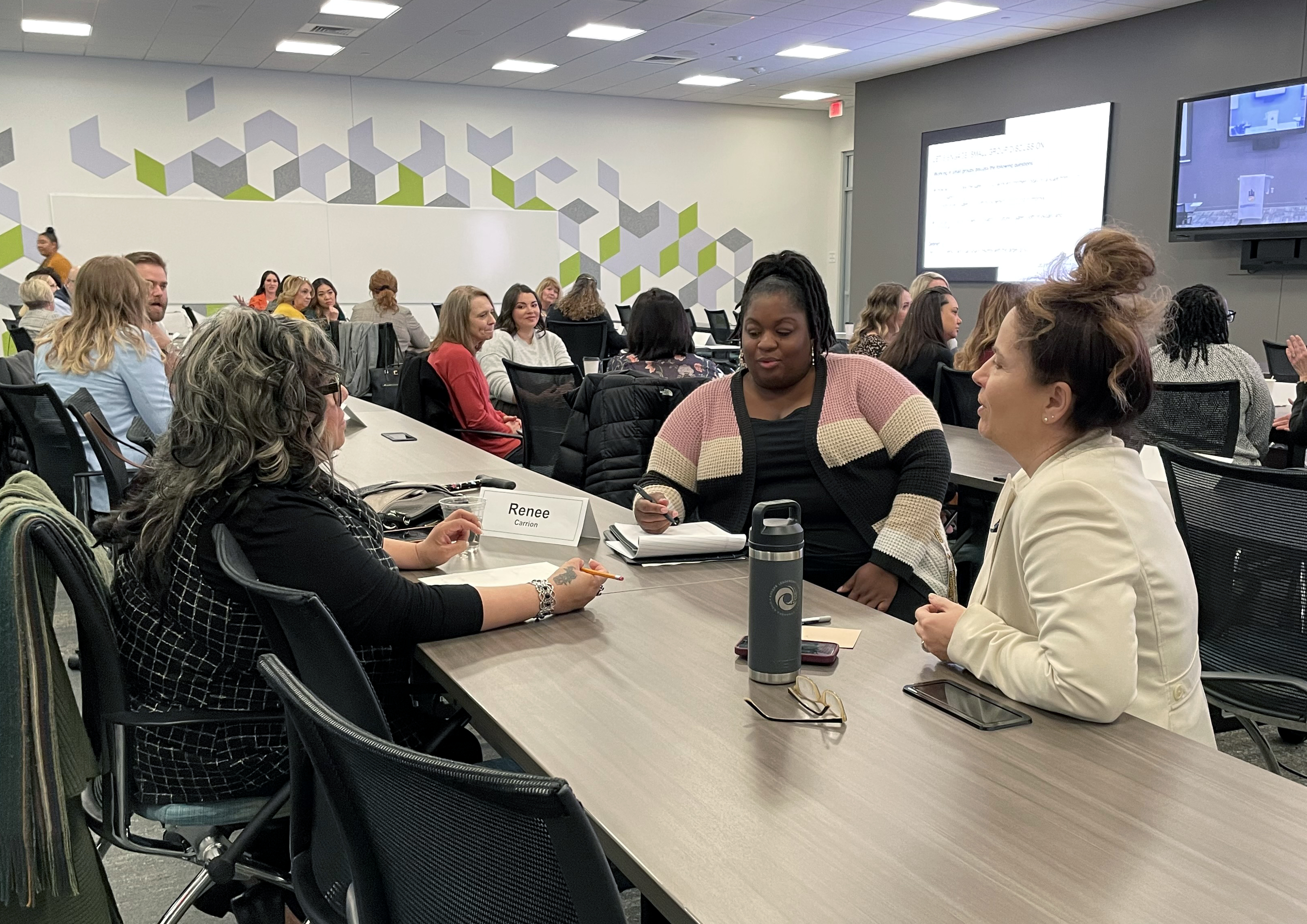
Sanchez, who works at Spirit AeroSystems, said in the manufacturing environment, they talk a lot about physical safety, but only more recently have they started to broaden that definition.
“We’re a global company, and culture looks different across our locations around the globe,” she said. That reality has helped the organization shift to a broader definition of safety that includes psychological safety as well. Now, they talk about alignment with common goals and how each employee can see themselves as part of the process in reaching those shared goals.
There are five or six generations in the workforce, and every person is complex. Their background, ethnicity, gender, educational background and more affect how they view the world. Creating a safe environment starts with recognizing those differences in perspective and making room for perspectives other than your own.
According to research by McKenzie and Company, 89% of the workforce surveyed feel it’s the responsibility of the business leaders to create safe and respectful workplaces. Being clear about expectations and company values helps create space for meaningful interactions.
Psychological safety happens when employees feel comfortable admitting mistakes, sharing different viewpoints with fear of retaliation, learn together from errors and openly share ideas without fear of shame or embarrassment.
Johnson and Sanchez share measurement tools to get a baseline on the current state of psychological safety and then offered some skills necessary to move the process of building a culture of safe spaces forward.
“If you do the survey and do nothing, you will create more distrust,” Sanchez said.
The presenters shared three levels in which to prioritize safety in the workplace.
As an individual, model good customer service internally and externally and model curiosity. Be transparent and vulnerable, which sets the stage for building trust. Use inclusive language and engage accessibility practices. Lean into a supportive/coaching approach to leadership.
On the micro-level, understand and be honest about your work culture. If it’s not inclusive, don’t say that it is. Set clear expectations. Engage the organization’s values during onboarding, one-on-one meetings, staff meetings and retreats. Engage an asset-minded approach and reframe mistakes into opportunities.
At the macro-level, welcome brainstorming out loud. Model active listening in all environments and taking time to uplift vulnerability. Embrace productive conflict through sincere dialogue and constructive debate. Address discomfort, retaliation and intentional disruption of safe spaces.
“Hopefully we’ve given you a number of ideas and tools that you can take back,” Sanchez said.
“We didn’t talk a lot today about DEI,” Johnson said. “First you have to create the safe space. If you don’t have psychological safety, it’s going to be hard to bring a different perspective.”
The presenters recommended the work of Dr. Amy Edmondson, Simon Sinek, Diversity Inc., McKenzie & Co., Human Rights Commission and Dr. Brent Smith as resources for diving deeper into the topics covered.
Two more events for the DEI professional development series will be announced soon.
Comments
0 comments on "Creating Inclusive Culture Requires Psychological Safety"
Leave a Comment